A field guide to programming language mascots
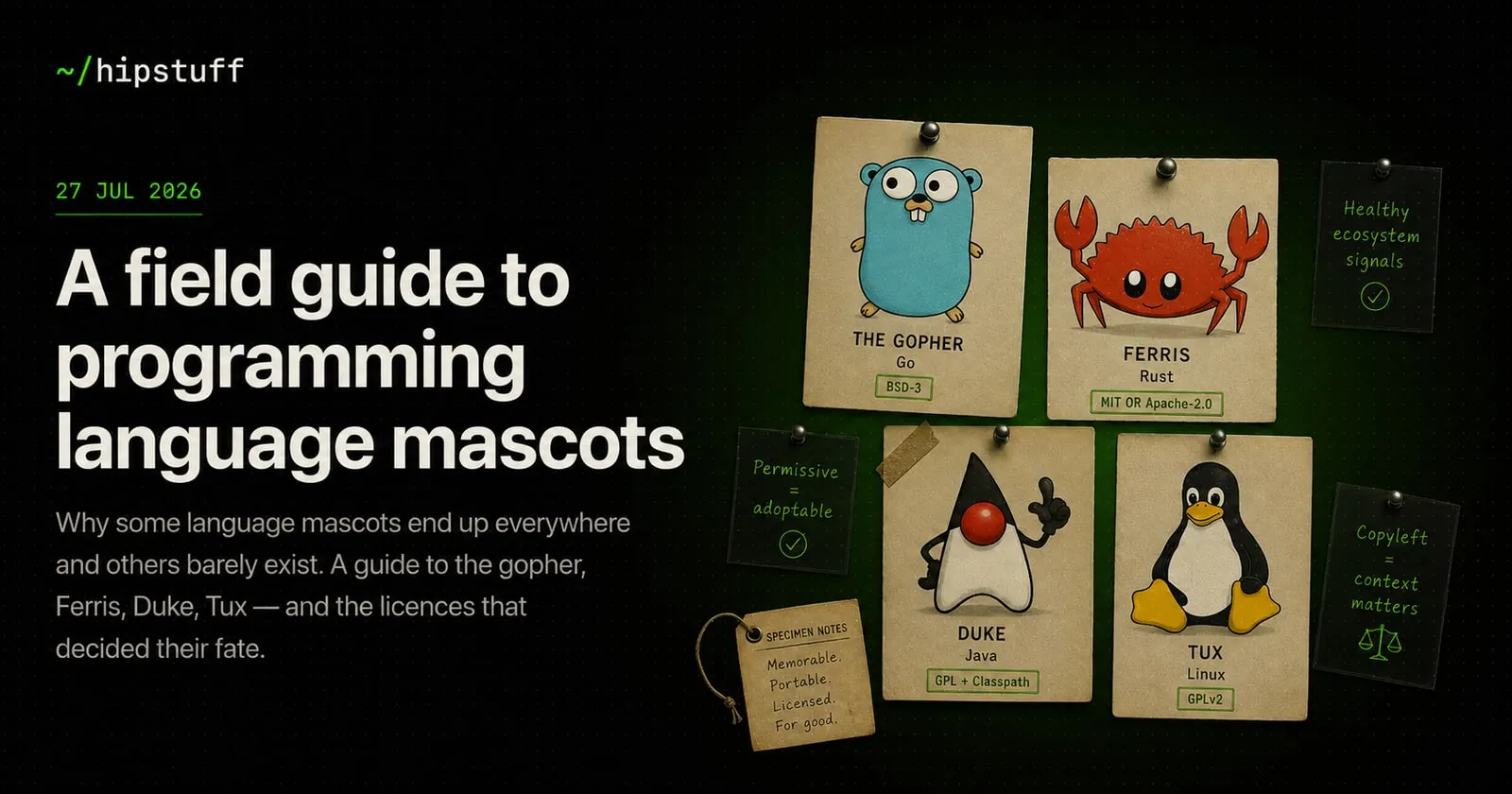
Programming languages did not have to have mascots. Nothing about a compiler suggests a cartoon animal. And yet a good half of the languages you’d name off the top of your head have one, while others — Python, JavaScript, C — have nothing at all.
The interesting question isn’t which languages have mascots. It’s why some of those mascots are everywhere, plastered across conference badges and laptop lids and knock-off plush toys, while others you have genuinely never seen outside the official website.
The answer is almost never about the drawing. It’s about the licence.
The ones that got out
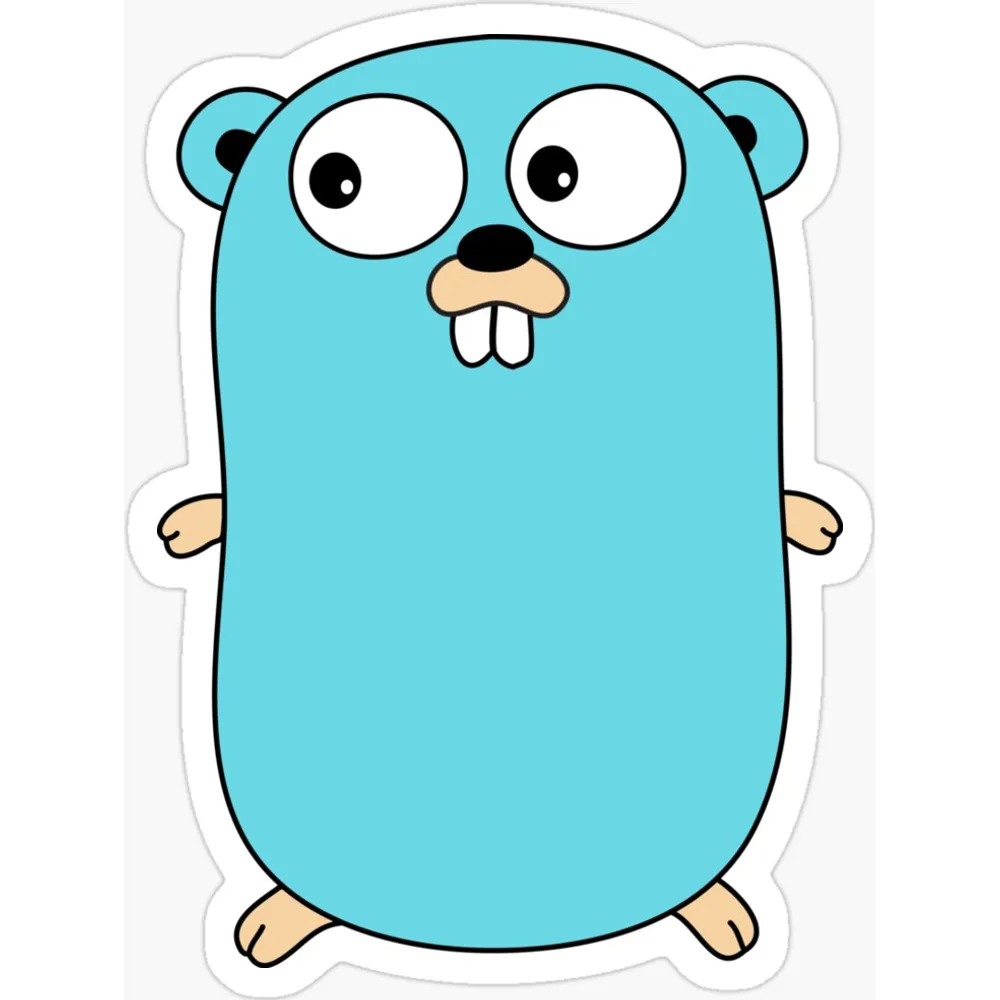
The Go gopher is the clearest case. Renée French drew it, and it was released under a Creative Commons Attribution licence — an actual open licence permitting derivative work, provided you credit her.
The result is a small industry of gopher variants: gophers as chefs, as astronauts, as conference mascots for individual cities. The character was allowed to be copied, so it was, endlessly. We wrote about where it came from — it predates Go by the better part of a decade and started life on a radio station’s promotional material.
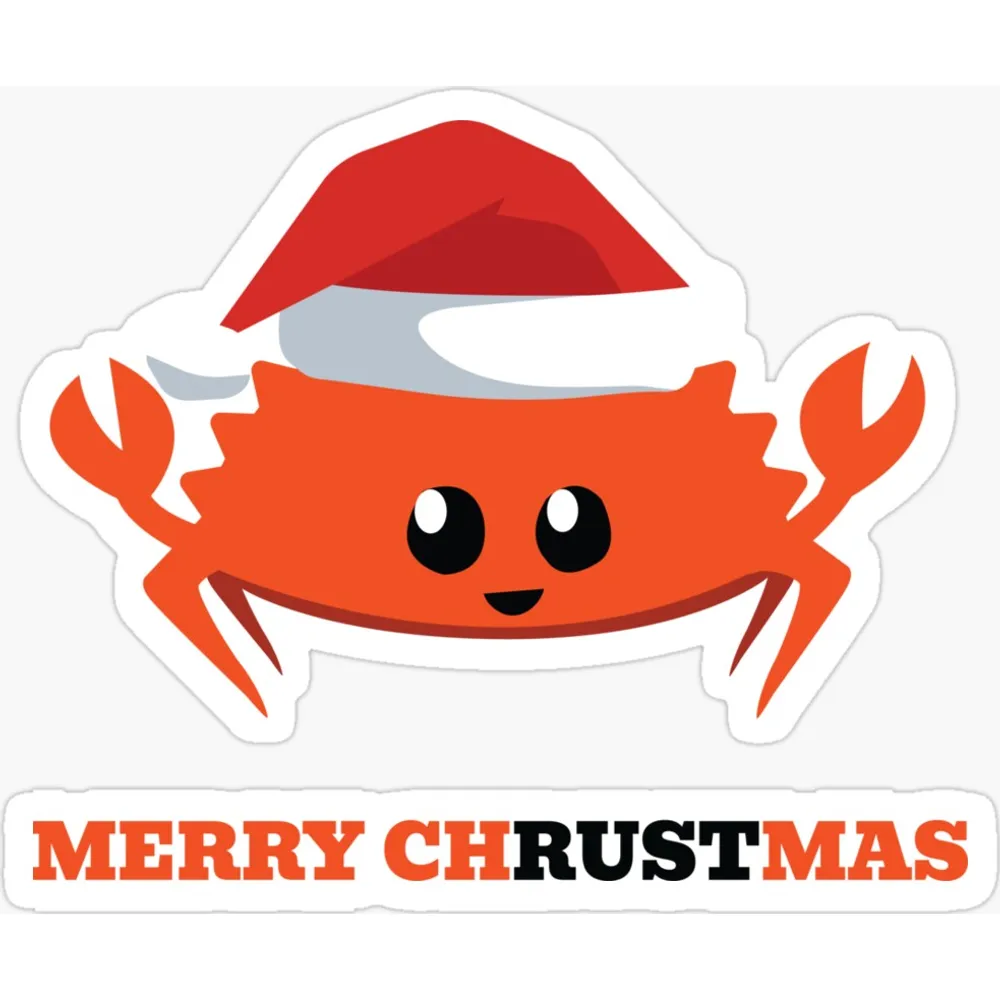
Ferris, the Rust crab, went further still. Karen Rustad Tölva created it and put it in the public domain. Not a permissive licence — no licence at all, nothing to comply with.
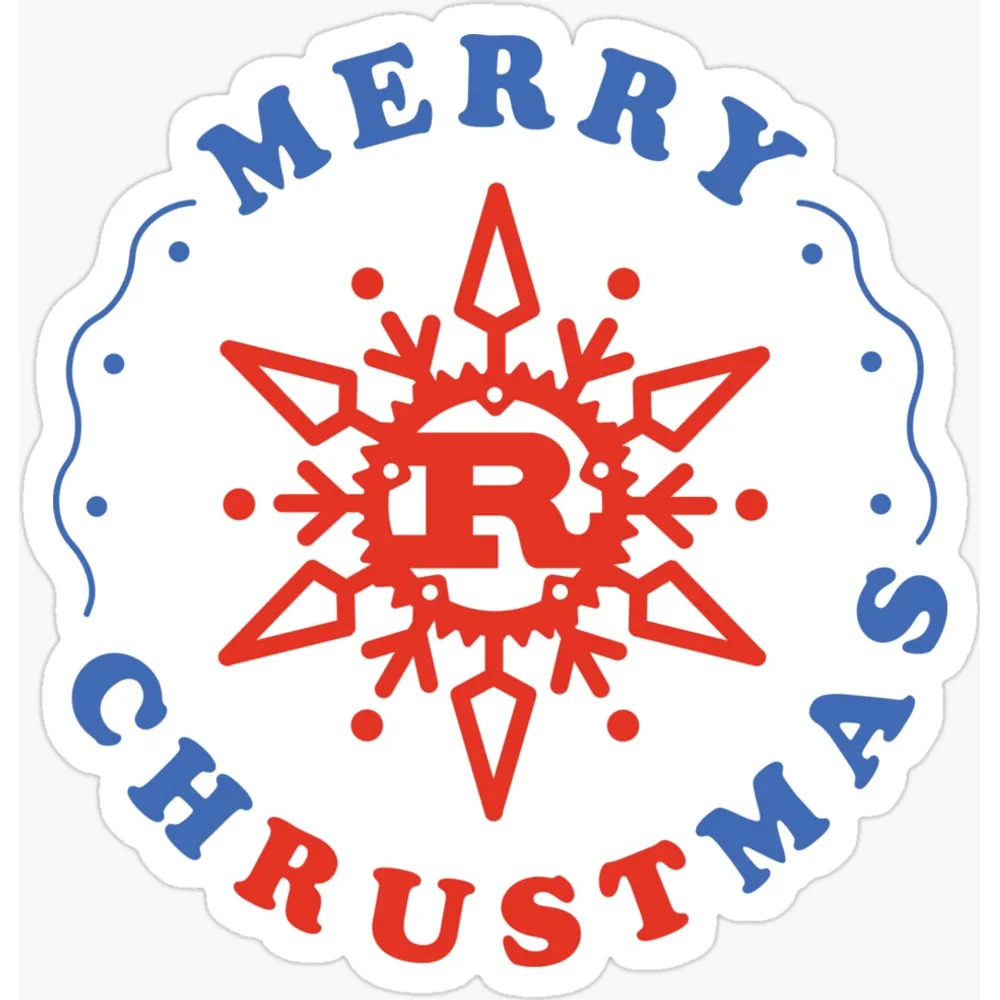
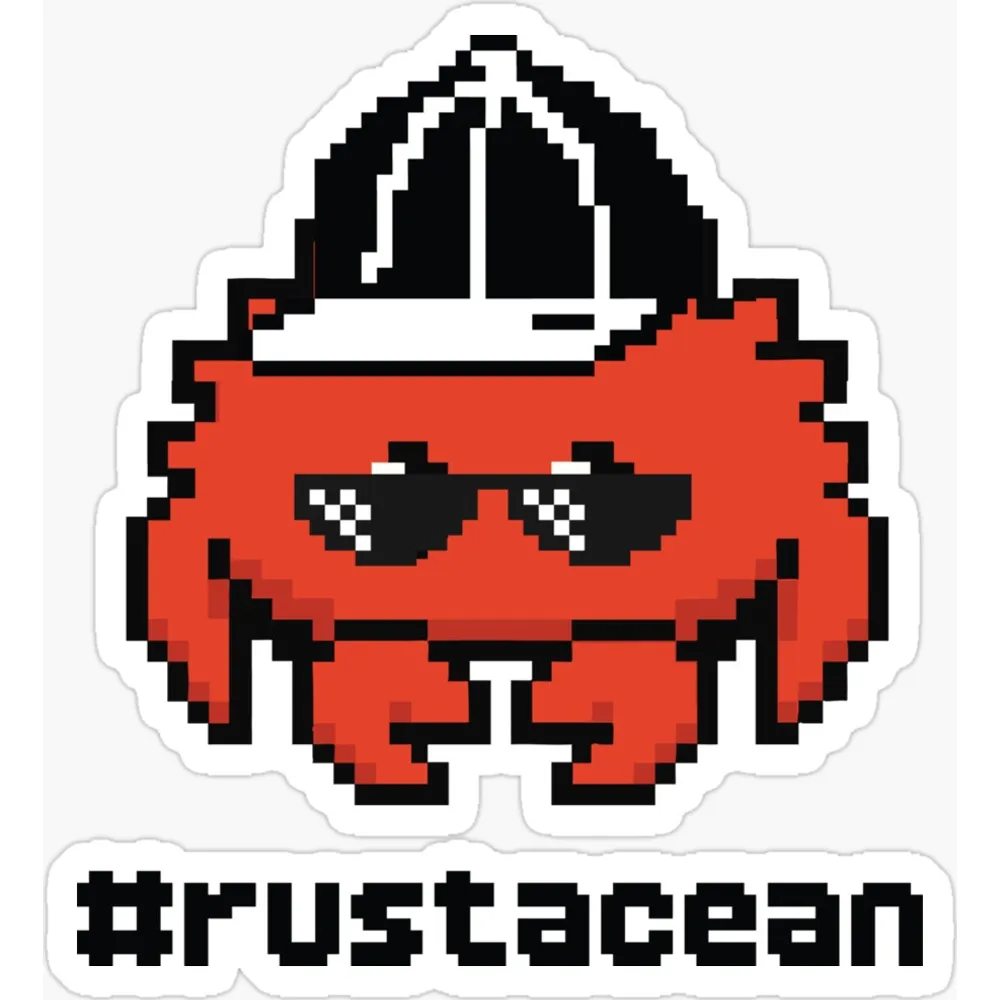
Ferris is also unofficial. The Rust Foundation didn’t commission it and has never needed to. The community adopted it so completely that Rust developers call themselves Rustaceans, a name derived from a mascot nobody owns. You can see the Rust designs it produced — a mascot this unencumbered generates merch the way a dropped pin generates a crowd.
Tux, the Linux penguin, is the elder statesman of the category. Larry Ewing drew him in 1996, in GIMP, partly as a demonstration that GIMP could produce something publishable. Linus Torvalds had wanted a penguin. Tux has since appeared on more products than anyone could count.
Duke, Java’s mascot, is the odd one out — a corporate character that escaped. Sun Microsystems created him for the Star7 project in the early nineties, and in 2006 open-sourced him under a BSD licence. Given how tightly most companies hold their characters, it remains a genuinely unusual decision.
The ones that stayed in
Now the contrast.
The Octocat is probably the best-known mascot in software and one of the most restricted. GitHub owns it, and their guidelines do not permit you to modify it, sell things with it on, or make your own variants. It’s a mascot you can look at but not touch.
This is why you can buy a gopher t-shirt from a hundred sellers and an Octocat t-shirt from exactly one.
The Perl camel has a similar story with an extra wrinkle: it came from a book cover. O’Reilly’s Programming Perl put a camel on the front, the community adopted it, and O’Reilly — reasonably enough — owns it. They eventually released a separate community logo, but the actual camel stayed theirs.
Two beloved mascots, two dead ends, for the same reason.
The modern crop
Something changed in the last decade. Newer projects don’t just tolerate a mascot, they lead with one — and the tone shifted from “here is our logo” to “here is our friend”.
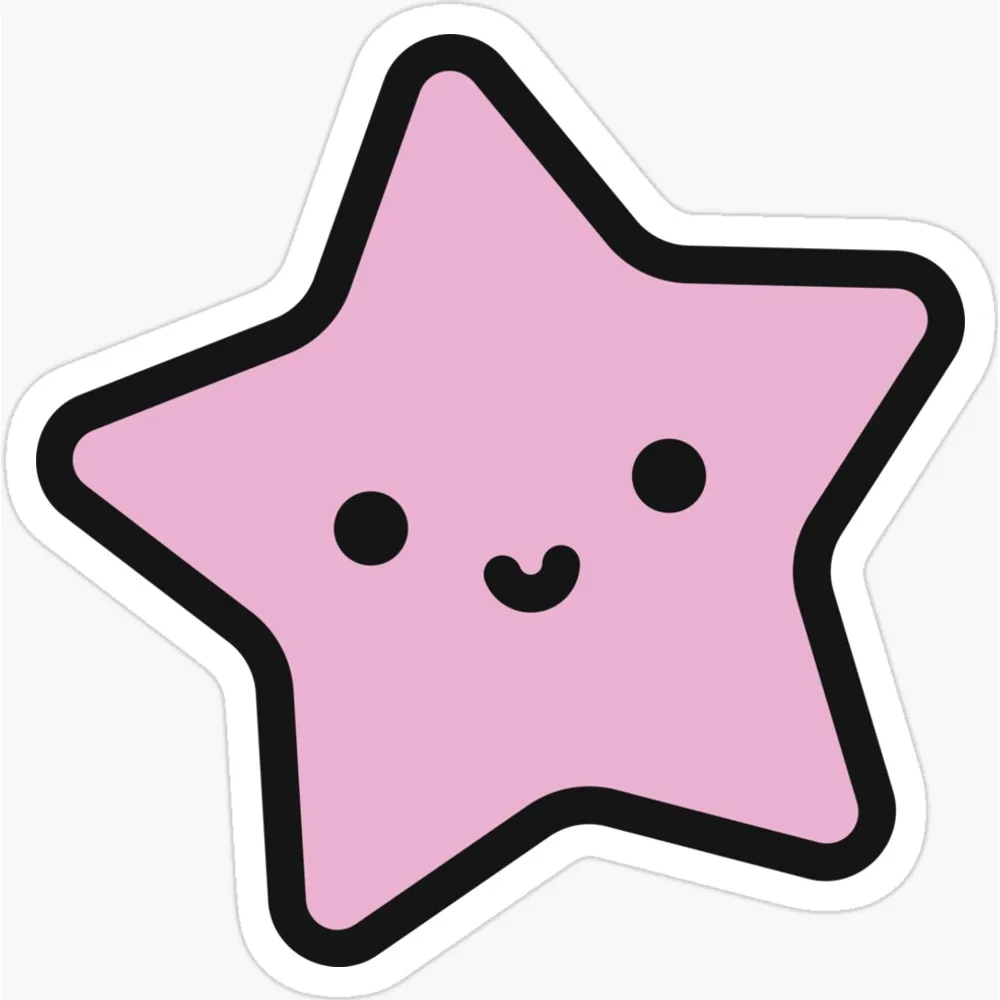
Lucy, Gleam’s pink star, is the purest example. Gleam is a
statically typed language for the Erlang VM with no null, no exceptions and
no implicit conversions. Its mascot is a small smiling star in pastel pink. The
gap between those two facts is entirely deliberate.
Tomster, Ember’s hamster in horn-rimmed glasses, does similar work for a framework whose whole pitch is convention over configuration — a set of rules you agree to follow, fronted by something that looks like it would apologise for imposing.
And then there’s the strange sub-genre of tooling mascots, which shouldn’t work at all and often do. Yarn’s cat tangled in wool, for a tool meant to untangle dependency management. Jest’s jester hat, complete with bells, for a testing framework. NestJS’s cat-like lion, which is noticeably more serious branding than a Node framework strictly needs.
Nobody has warm feelings about a package manager. The mascot is trying to make you have them anyway, and it half works.
The pattern
Line them all up and the friendly-mascot strategy correlates with one thing: how intimidating the underlying technology is.
- Go arrived from Google, designed by the people behind Unix and Plan 9, aimed at infrastructure. It got a slightly daft rodent.
- Rust has a reputation for a punishing learning curve and a borrow checker that fights you. It got a cheerful crab.
- Gleam sits on the BEAM, an ecosystem outsiders find genuinely forbidding. It got a pastel star with a face.
None of that is accidental. A mascot is the cheapest possible signal that a community intends to be welcoming, and it’s deployed most heavily exactly where that reassurance is most needed.
The languages with no mascot at all tend to be the ones that never had to make the argument. Nobody needed convincing to try JavaScript. It was simply there.
What this means if you make things
If you want to draw a mascot onto something and sell it, the licence is the only question that matters, and it varies enormously:
| Mascot | Status |
|---|---|
| Ferris (Rust) | Public domain |
| Go gopher | CC Attribution — credit Renée French |
| Tux (Linux) | Free to use with credit |
| Duke (Java) | BSD licence |
| Octocat (GitHub) | Restricted — no modification, no merch |
| Perl camel | O’Reilly’s property |
The open ones spread because they were allowed to. The closed ones stayed exactly where they were put.
Which is, when you think about it, the same argument the open-source movement has been making about everything else for thirty years — it just happens to be illustrated with a crab.